Apomixis 2026-11-05
In angiosperms, apomixis produces an embryo through asexual reproduction within a seed, bypassing the usual combination of meiosis and fusion of gametes. It can preserve a maternal genetic combination across generations. It differs from vegetative reproduction, which propagates an individual through structures such as shoots or rhizomes rather than through seeds.
Producing a clonal seed requires coordinating more than one developmental event: retaining the maternal chromosome complement and initiating an embryo without ordinary fertilization are separate requirements. Rice research combining altered meiosis with redirected embryogenic gene activity demonstrated clonal propagation through seeds.[ref]
A male-expressed rice embryogenic trigger redirected for asexual propagation through seeds by Imtiyaz Khanday and others. Nature 565, pp. 91–95; embryogenesis initiation and clonal seed propagation
In some forms of apomixis, fertilization is still needed to produce supporting endosperm, so an asexual embryo does not imply that every component of the seed develops without fertilization. BABY BOOM1 2026-11-05
BABY BOOM1 is a rice transcription factor that can initiate embryonic development. Its early expression in the zygote normally involves the paternal allele, connecting a contribution from the male gamete to the start of a new developmental programme.
Imtiyaz Khanday and colleagues redirected BABY BOOM1 expression into the unfertilized ovum. This was sufficient to initiate an embryo without fertilization. Combining that trigger with altered meiosis enabled clonal seed production in an engineered system.[ref]
A male-expressed rice embryogenic trigger redirected for asexual propagation through seeds by Imtiyaz Khanday and others. Abstract: male-gamete expression, egg-cell expression, parthenogenesis and combination with meiosis modification; online 2018, journal issue 2019
The components solve different problems: initiating an embryo does not by itself prevent the genetic reshuffling and chromosome-number reduction of ordinary meiosis. This separation explains why a single developmental trigger and a complete clonal propagation system are different experimental achievements.
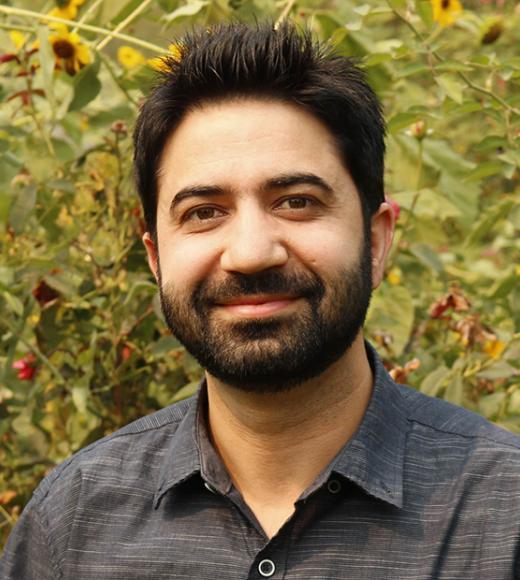
Imtiyaz Khanday 2026-11-05
Imtiyaz Khanday investigates seed development and ways of preserving useful crop genotypes through asexual seed production. His UC Davis research programme connects embryo initiation, seed dormancy and clonal crop propagation.[ref]
https://agronomy.ucdavis.edu/people/imtiyaz-khanday. Institutional research profile
In work published online in 2018 and in a 2019 issue, Khanday and colleagues redirected the rice embryogenesis regulator BABY BOOM1 into the egg cell. Combining embryo initiation without fertilization with altered meiosis produced clonal seeds in an engineered system. The two components address different requirements: starting an embryo and retaining the maternal genotype.[ref]
A male-expressed rice embryogenic trigger redirected for asexual propagation through seeds by Imtiyaz Khanday and others. Abstract and publication metadata: online 12 December 2018, Nature 565, pp. 91–95 (2019)