Roy Parker is a molecular biologist studying how cells produce, translate and degrade messenger RNA. His University of Colorado Boulder profile describes this research program, and his institutional curriculum vitae records a genetics doctorate from the University of California, San Francisco in 1985.[ref]
Roy Parker profile at the University of Colorado Boulder. Research description; institutional CV p.1, education.
His early work helped establish a sequence-recognition role for U2 small nuclear RNA. In a 1987 collaborative study, compensating changes in U2 suppressed corresponding changes in the yeast intron branch region. The matching suppression connected RNA sequence to base pairing in RNA splicing, rather than merely associating U2 with the machinery.[ref]
Recognition of the TACTAAC box during mRNA splicing in yeast involves base pairing to the U2-like snRNA by Roy Parker and others. Abstract, branch-site mutations and allele-specific compensatory U2 changes.
A later study with Ujwal Sheth connected RNA decay to cellular location. Functional fusions to green fluorescent protein placed several decapping factors in discrete cytoplasmic foci, termed P-bodies. Perturbing steps of the decay pathway changed those foci, and RNA decay intermediates also localized there.[ref]
Decapping and Decay of Messenger RNA Occur in Cytoplasmic Processing Bodies by Ujwal Sheth and Roy Parker. Abstract and Figures1–2: localization and pathway perturbations.
The combination of imaging and perturbation is scientifically important. A fluorescent spot alone shows where a marked component accumulates; it does not establish what reaction happens there. Comparing locations with the consequences of changing particular processing steps tests a mechanistic explanation. Nor does an accumulation of decay intermediates automatically mean that decay has become faster: material can accumulate when an exit step is blocked. This connects the chemistry of messenger RNA processing to the organization and dynamics of the cytoplasm.
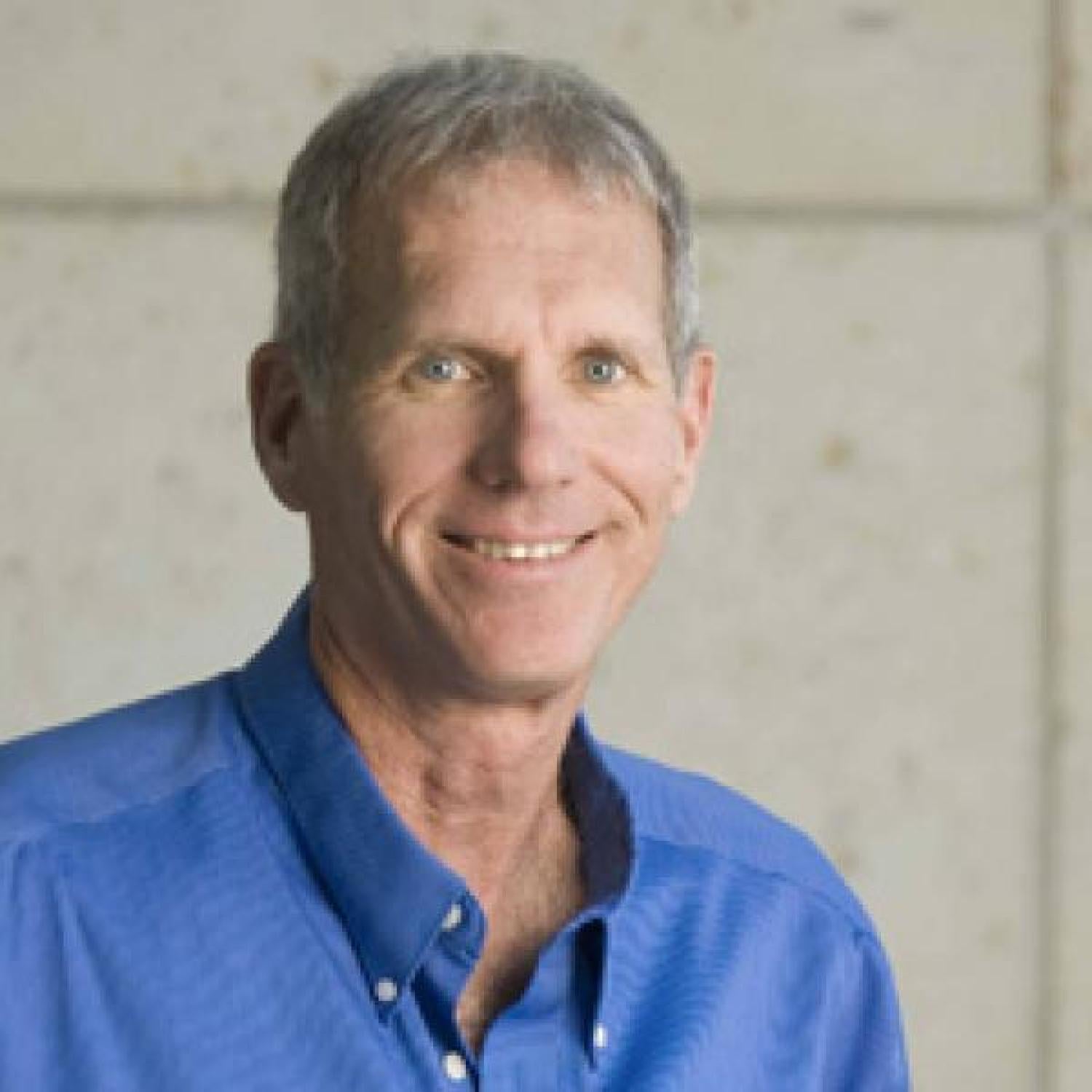
Roy Parker, portrait on his University of Colorado Boulder BioFrontiers profile
. - Decapping and Decay of Messenger RNA Occur in Cytoplasmic Processing Bodies by Ujwal Sheth and Roy Parker
- Processing bodies require RNA for assembly and contain nontranslating mRNAs by Daniela Teixeira and others
- Recognition of the TACTAAC box during mRNA splicing in yeast involves base pairing to the U2-like snRNA by Roy Parker and others
Articles by others on the same topic
There are currently no matching articles.