William N. Beavers is a researcher whose work combines analytical chemistry with the study of chemical changes to proteins. His institutional profile identifies post-translational modification as a research interest and directly lists his scientific publications.[ref]
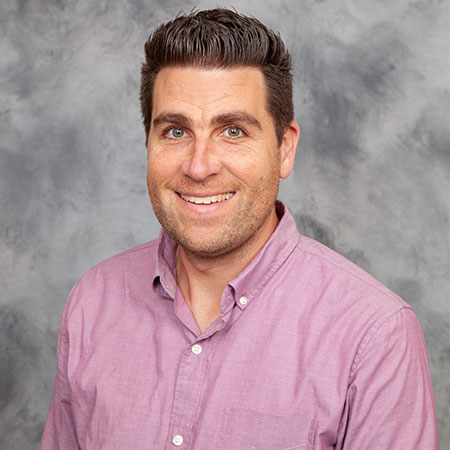
William N. Beavers research profile at Louisiana State University. Named faculty profile, Research Interest and Select Publications
In a 2017 study, Beavers and collaborators investigated proteins modified by endogenously generated lipid electrophiles. Chemical labelling and selective capture enabled a broad analysis of modified targets. The results highlighted mitochondria as both a source associated with electrophile generation and a prominent location of modified proteins in that experimental system.[ref]
A useful quantitative distinction is the amount of a modified protein versus the fraction of that protein that is modified. For an original ideal measurement model, suppose response-corrected signals correspond to modified and unmodified molecules in sample A, and modified and unmodified molecules in sample B. The modified amount doubled, but the modified fraction is in both samples. These are invented counts, not results from the paper.
The response correction is essential. A chemically modified molecule may be captured or detected differently from an unmodified one, so raw signal intensities cannot automatically be substituted for molecule counts. Nor does more captured material alone establish a higher probability of modification if total protein abundance also changed. An informative interpretation therefore distinguishes chemical selectivity, total abundance and the denominator used for a reported fraction.
Beavers is also credited as a coauthor on a separate 2020 microbial-community study, illustrating the range of scientific contexts in which chemical measurements and biological comparisons meet.[ref]
- Clostridioides difficile proline fermentation in response to commensal clostridia by Christopher A. Lopez and others
- Protein Modification by Endogenously Generated Lipid Electrophiles: Mitochondria as the Source and Target by William N. Beavers and others
- William N. Beavers research profile at Louisiana State University
Articles by others on the same topic
There are currently no matching articles.