
A researcher who compared treatments for adolescent social anxiety disorder. A randomized trial evaluated individual cognitive therapy, group cognitive behavioral therapy and an attentional placebo, with follow-up beyond treatment. Comparing specified alternatives makes the content and format of therapy empirical questions rather than assuming that all contact has the same effect.[ref]
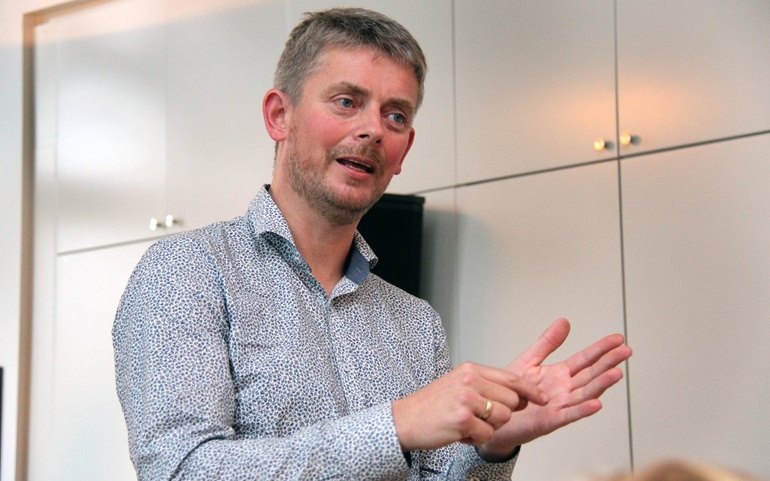
Portrait of Jo Magne Ingul
. Siri Bjaarstad, via NAPHA. Source.A researcher who tested guided parent-delivered cognitive behavioral therapy for childhood anxiety disorders. A randomized trial compared fuller guidance, briefer guidance and a waiting list. The contrast evaluates how therapist support contributes to a parent-delivered package, with eligibility rules limiting how broadly its results can be generalized.[ref]
Treatment of child anxiety disorders via guided parent-delivered cognitive-behavioural therapy by Kerstin Thirlwall and others. 2013, 194 children, guidance conditions and primary-carer eligibility
A researcher who evaluated guided internet-delivered cognitive behavioral therapy for childhood anxiety disorders. A randomized trial compared the intervention with child-directed play and included economic evaluation. The trial concerns a specified supported program, so its results do not automatically establish effectiveness of every unguided online resource.[ref]
Efficacy and cost-effectiveness of therapist-guided internet cognitive behavioural therapy for paediatric anxiety disorders: a single-centre, single-blind, randomised controlled trial by Maral Jolstedt and others. 2018, 131 children aged 8–12, active comparator and cost-effectiveness
A researcher who tested therapist-guided internet-delivered cognitive behavioral therapy for young people with social anxiety disorder. A randomized trial compared it with internet-delivered supportive therapy and used masked clinical severity ratings. An active comparison tests benefits beyond receiving online contact and support, rather than comparing only with no intervention.[ref]
A researcher who examined which components of cognitive behavioral therapy relate to childhood anxiety outcomes. A meta-analysis compared treatment conditions differing in exposure therapy and anxiety-management content. These between-study component associations motivate trials of treatment changes, but they do not randomize the components independently or establish a universal optimal package.[ref]
A meta-analysis to guide the enhancement of CBT for childhood anxiety: exposure over anxiety management by Stephen P. H. Whiteside and others. 2020, 75 studies, 111 CBT conditions and component meta-regressions

Portrait of Stephen P. H. Whiteside
. Mayo Clinic staff portrait. Source.A researcher who investigated barriers to access to mental health care for children with anxiety disorders. Interviews with parents of school-identified children examined how families recognized difficulties and sought help. The qualitative interview design reveals experiences and candidate mechanisms without estimating how prevalent each barrier is throughout the population.[ref]
A researcher who tested one-session treatment of specific phobia in youths. A randomized trial compared an intensive approach-based package with education-support and a waiting list. Including an active comparator helps distinguish benefits of the specified treatment from contact and support, while the trial does not establish that one session is optimal for every young person.[ref]
One-session treatment of specific phobias in youth: a randomized clinical trial in the United States and Sweden by Thomas H. Ollendick and others. 2009, 196 youths and three comparison conditions
A researcher who tested causal accounts of interpretation bias and anxiety with Bundy Mackintosh. Training altered how participants resolved ambiguous information; changes in anxiety depended on how the material was processed. The experiments distinguish manipulating an interpretive tendency from observing a correlation between anxious feelings and threatening interpretations.[ref]
A researcher who, with Andrew Mathews, experimentally changed interpretation bias. Repeated ambiguous material was resolved in threatening or benign ways, with later interpretations and anxiety measured separately. Active processing mattered for changes in anxiety, showing why shifting a task score is not equivalent to establishing a clinical benefit.[ref]
Induced emotional interpretation bias and anxiety by Andrew Mathews and Bundy Mackintosh. 2000, five experiments and active-meaning-generation comparison
A clinical psychologist who developed cognitive accounts and treatments of panic disorder.[ref]
A cognitive approach to panic by David M. Clark. 1986, author and study described in the original publication
A clinical psychologist who experimentally investigated the maintaining role of safety behaviors in anxiety.[ref]
An experimental investigation of the role of safety-seeking behaviours in the maintenance of panic disorder with agoraphobia by Paul Salkovskis and others. 1999, author and study described in the original publication
A clinical psychologist who tested self-focused attention, safety behaviors and video feedback in social anxiety.[ref]
Why social anxiety persists by Freda McManus and others. 2008, author and study described in the original publication
A clinical psychologist who tested exposure and response prevention in obsessive-compulsive disorder.[ref]
Randomized, placebo-controlled trial of exposure and ritual prevention, clomipramine, and their combination in the treatment of obsessive-compulsive disorder by Edna B. Foa and others. 2005, author and study described in the original publication

Portrait of Edna B. Foa
. David Shankbone. CC BY 3.0, via Wikimedia Commons. Source.
A clinical psychologist who evaluated preventive family intervention after parental bereavement.[ref]
Six-year follow-up of a preventive intervention for parentally bereaved youths by Irwin Sandler and others. 2010, author and study described in the original publication
A clinical psychologist who tested cognitive-behavioral prevention of depression in high-risk adolescents.[ref]
Prevention of Depression in At-Risk Adolescents by Judy Garber and others. 2009, author and study described in the original publication
A clinical psychologist who developed learning-based explanations and strategies for exposure therapy.[ref]
Maximizing exposure therapy: An inhibitory learning approach by Michelle G. Craske and others. 2014, author and study described in the original publication

Portrait of Michelle G. Craske
. Romaine; crop by Kleon3. CC0 1.0, via Wikimedia Commons. Source.
A clinical psychologist who developed the social anxiety model with David M. Clark. [ref]
https://research.manchester.ac.uk/en/persons/adrian.wells. Manchester research profile: cognitive theory and emotional disorders

Portrait of Adrian Wells
. Psychology publisher author portrait. Source.A researcher who examined treatment of childhood anxiety disorders when mothers also had an anxiety disorder. A 211-family trial tested additions targeting maternal anxiety or mother–child interaction alongside child treatment, including economic evaluation. Its design addresses whether treating family processes adds value beyond a child-focused intervention.[ref]

Portrait of Cathy Creswell
. Publisher author portrait. Source.A researcher who tested cognitive behavioral therapy for adolescent panic disorder. A trial compared an adolescent intervention with self-monitoring in 26 participants aged fourteen to seventeen. The comparison distinguishes an evaluated treatment from simply recording symptoms, and the small sample defines the precision with which its effects can be estimated.[ref]
Cognitive-behavioral treatment of panic disorder in adolescence by Donna B. Pincus and others. 2010, PCT-A versus self-monitoring comparison
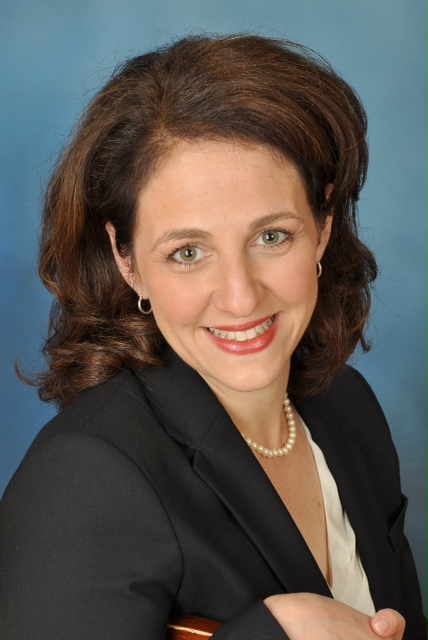
Portrait of Donna B. Pincus
. Boston University profile portrait. Source.A researcher who examined the applicability of a cognitive model of social anxiety disorder to adolescents. Her work with David M. Clark connects self-focused attention and safety behaviors to treatment while considering developmental qualifications. This avoids assuming that a model developed for adults transfers unchanged to younger people.[ref]
Understanding Social Anxiety Disorder in Adolescents and Improving Treatment Outcomes: Applying the Cognitive Model of Clark and Wells (1995) by Eleanor Leigh and David M. Clark. 2018, cognitive model and developmental qualifications

Portrait of Eleanor Leigh
. Medical Research Foundation profile portrait. Source. There are unlisted articles, also show them or only show them.